
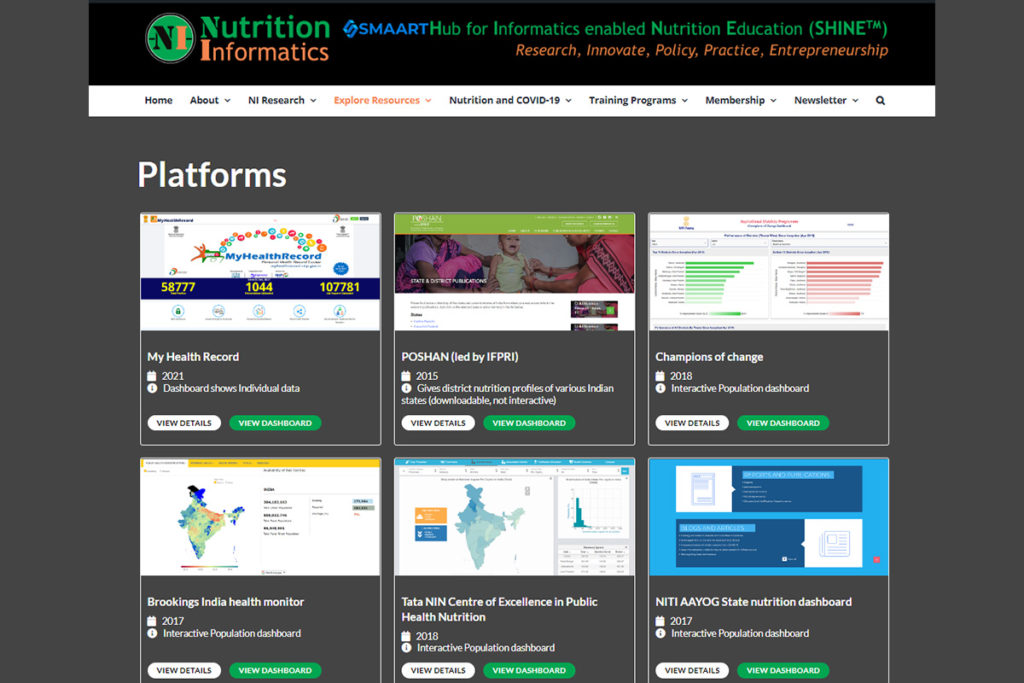
- Nutrition Informatics (NI) describes intersection of nutrition, information, and technology, and it underlies all areas of dietetics practice.
- Focus on development of standards, processes, and technologies for providing nutrition care.
- Inform data driven, evidence based, human centered design, development, implementation and evaluation of nutrition informatics interventions, programs and policies to enhance good health and well-being of individuals, their families and the communities they live in.
- SMAART Hub for Informatics enabled Nutrition Education (SHINE) to become a global platform for the field of Nutrition Informatics Research, Innovation, Policy, Practice and Entrepreneurship.
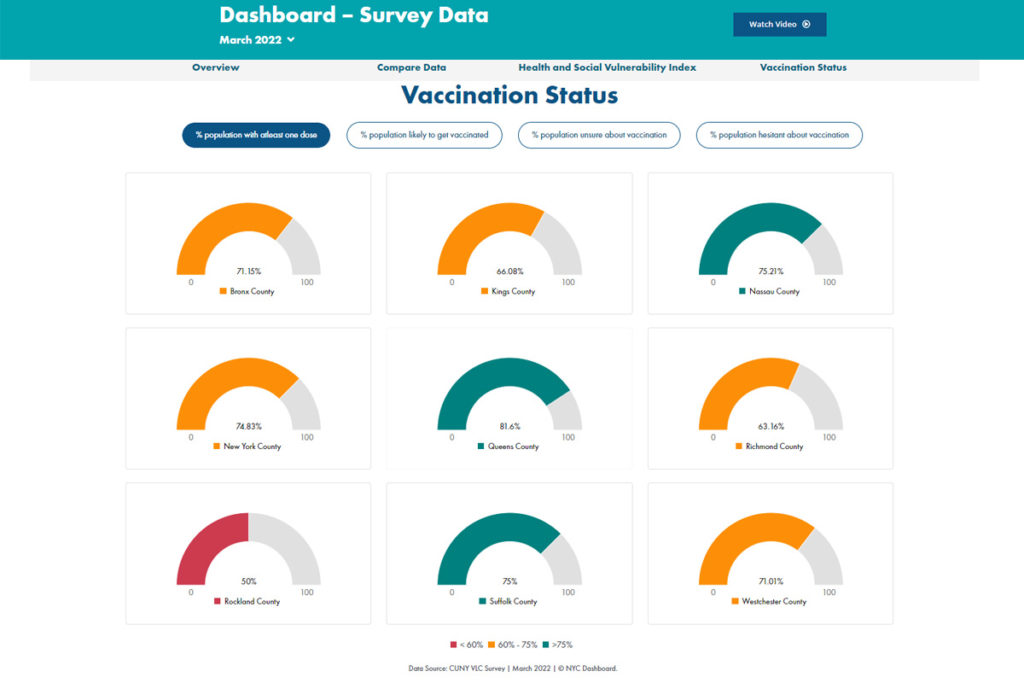
The New York Vaccine Literacy Campaign was launched in May 2021 and developed by CONVINCE USA and a team of faculty and staff at CUNY SPH. This 18-month vaccine education and engagement project is made possible with support from the New York Community Trust, the Altman Foundation, and New York State Health Foundation. The Campaign aims to lighten the load of community and direct service organizations by increasing community-level access to vaccine education and information through tailored webinars, education modules, training, and other capacity-building resources. Data tracking and resource navigation will be provided via a dashboard adapted to respond to the needs identified by community partners. The Campaign is engaged in NYC’s five boroughs, Long Island, and Westchester and Rockland counties.
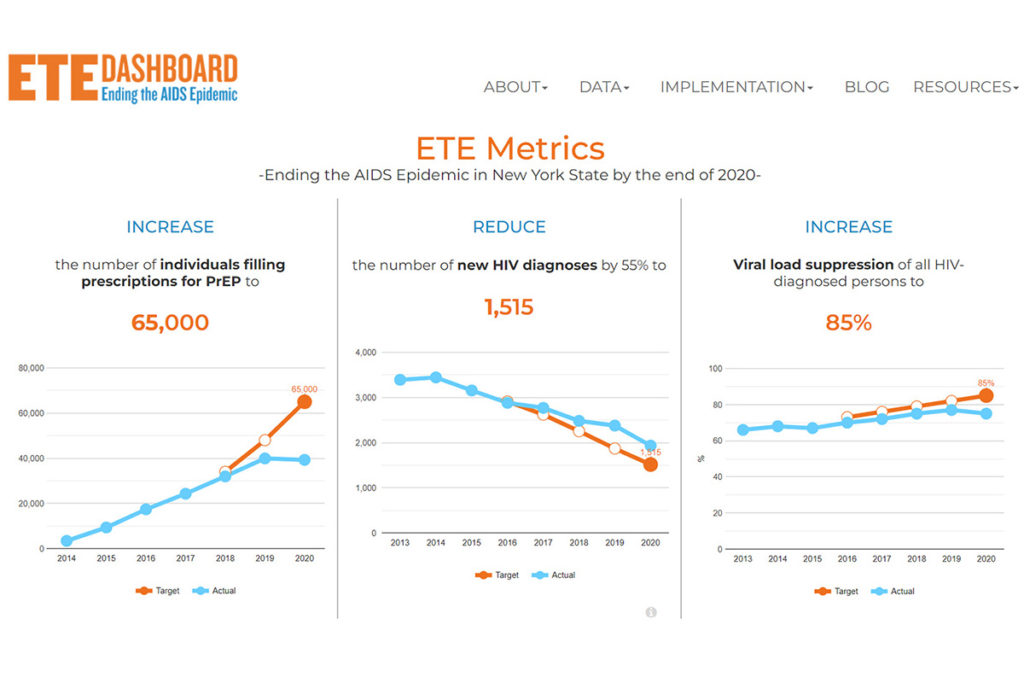
- Identifies persons with HIV who remain undiagnosed and link them to health care.
- Links and retains persons diagnosed with HIV in health care to maximize virus suppression so they remain healthy and prevent further transmission.
- Facilitates access to Pre-Exposure Prophylaxis (PrEP) for persons who engage in high-risk behaviors to keep them HIV negative.
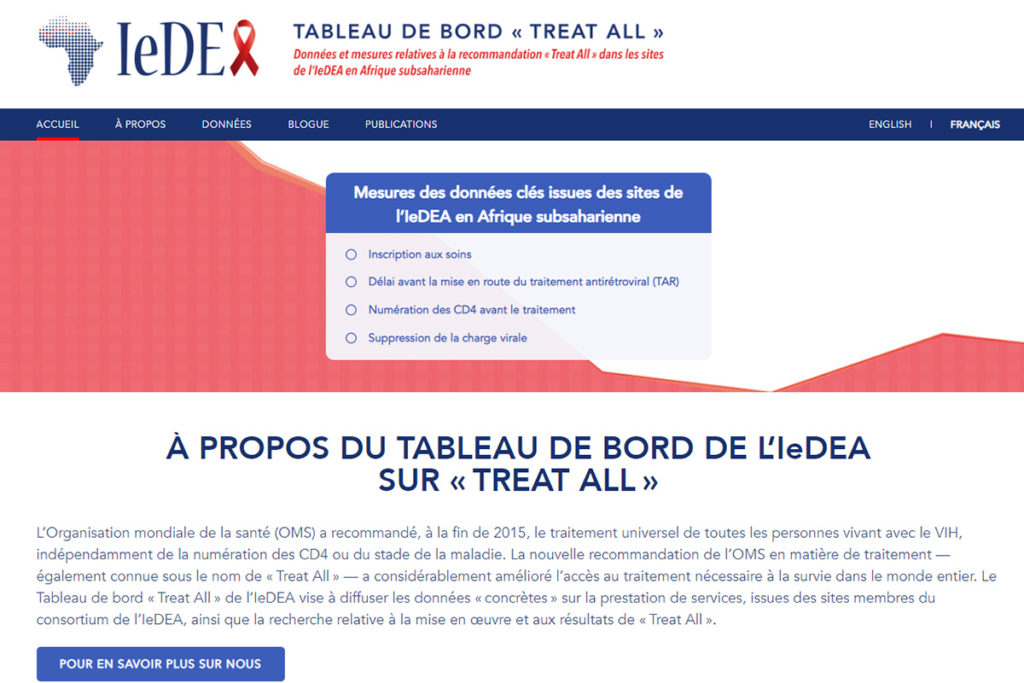
In late 2015, the World Health Organization (WHO) recommended universal treatment of all people living with HIV, regardless of CD4 count or disease stage. WHO’s expanded treatment recommendation—also known as “Treat All”—has dramatically improved access to life-saving treatment around the globe. The purpose of the IeDEA Treat All Dashboard is to disseminate “real world” service delivery data from sites participating in IeDEA, along with research related to Treat All implementation and outcomes.
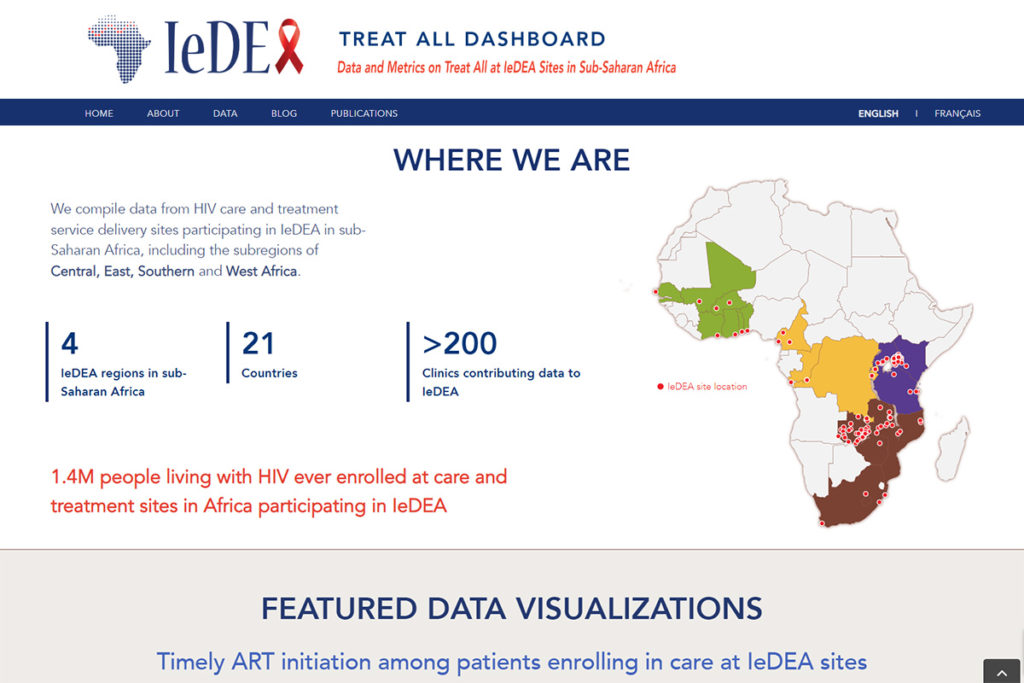
The International epidemiology Databases to Evaluate AIDS (IeDEA) is an international research consortium of 382 HIV care and treatment clinics in 44 countries across seven world regions: the Asia-Pacific; the Caribbean, Central and South America; Central Africa; East Africa; Southern Africa; West Africa; and North America. IeDEA collects and harmonizes longitudinal patient data, generating large data sets that can be used to streamline HIV/AIDS research and address high priority research questions.
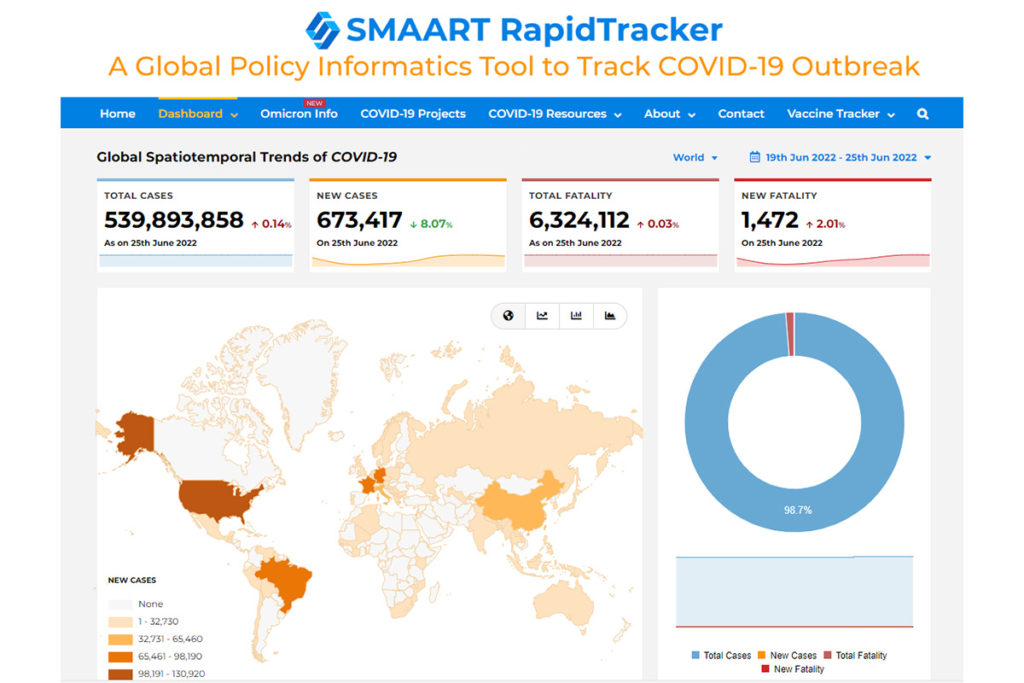
SMAART RapidTracker (Research enabled Action oriented Policy Interventions driven by Data) is an interactive policy informatics platform tracking spread of COVID-19 outbreak and policy actions globally.
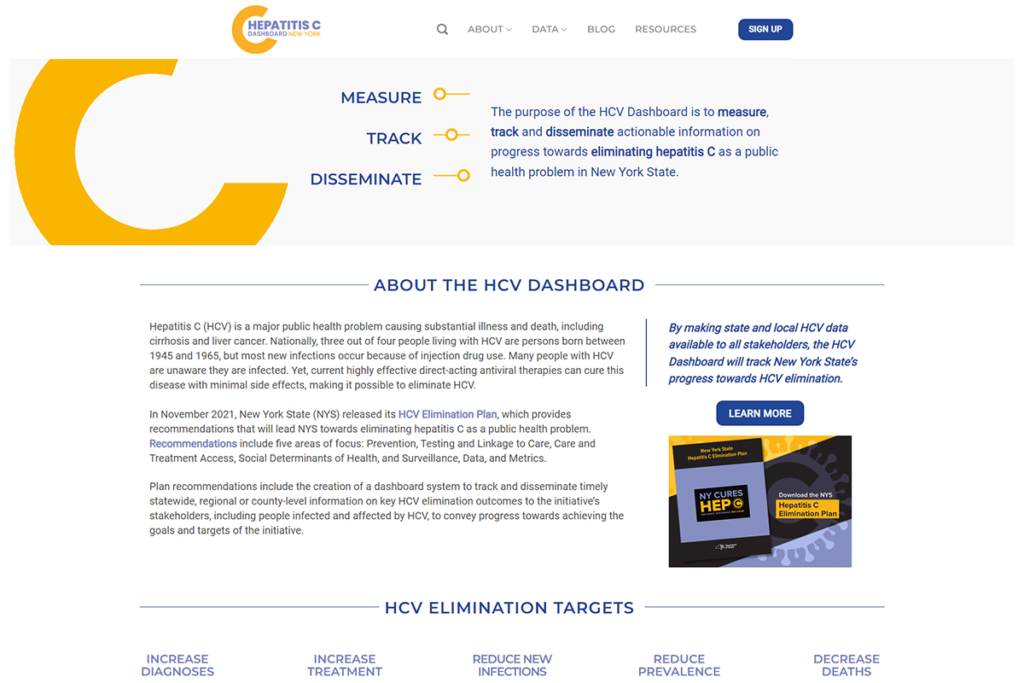
Hepatitis C (HCV) is a major public health problem causing substantial illness and death, including cirrhosis and liver cancer. Nationally, three out of four people living with HCV are persons born between 1945 and 1965, but most new infections occur because of injection drug use. Many people with HCV are unaware they are infected. Yet, current highly effective direct-acting antiviral therapies can cure this disease with minimal side effects, making it possible to eliminate HCV.
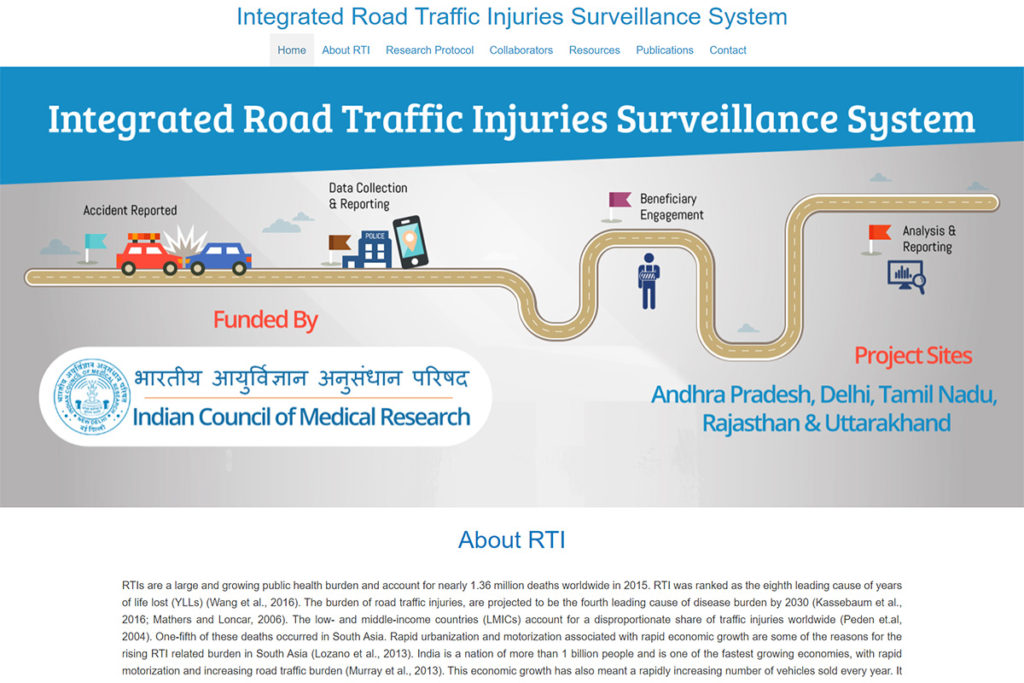
Integrated Road Traffic Injury Surveillance, India: RTIs are a large and growing public health burden and account for nearly 1.36 million deaths worldwide in 2015. RTI was ranked as the eighth leading cause of years of life lost (YLLs) (Wang et al., 2016). The burden of road traffic injuries, are projected to be the fourth leading cause of disease burden by 2030 (Kassebaum et al., 2016; Mathers and Loncar, 2006).
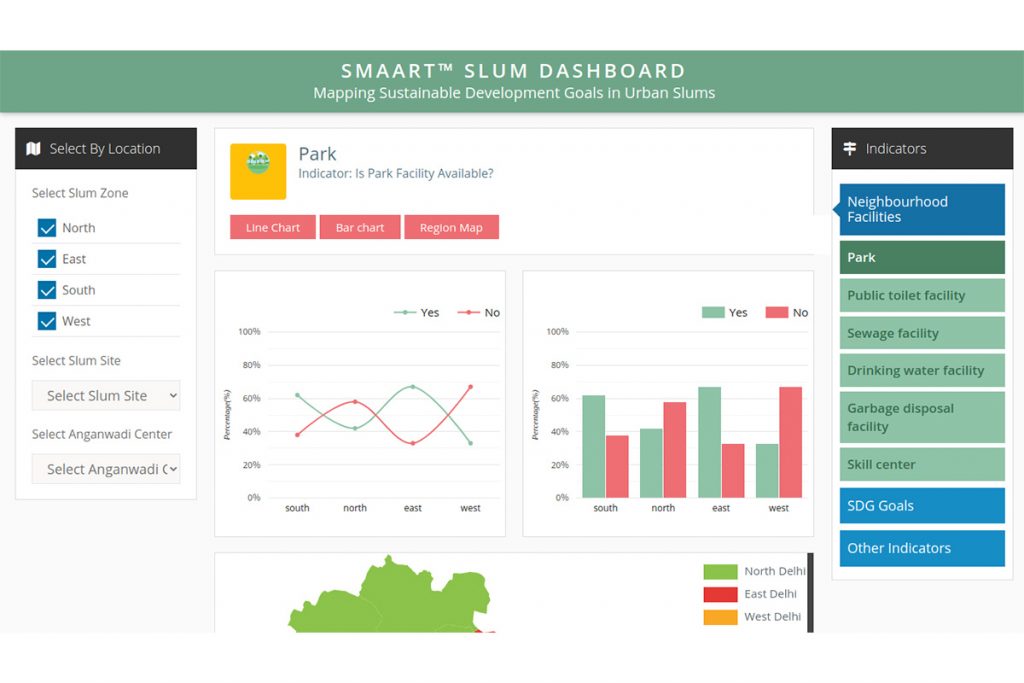
SMAART Slum Dashboard is a mapping of Neighbourhood Facilities (like public toilet, sewage, Driniking Water etc) and Sustainable Development Goals status in urban slums.
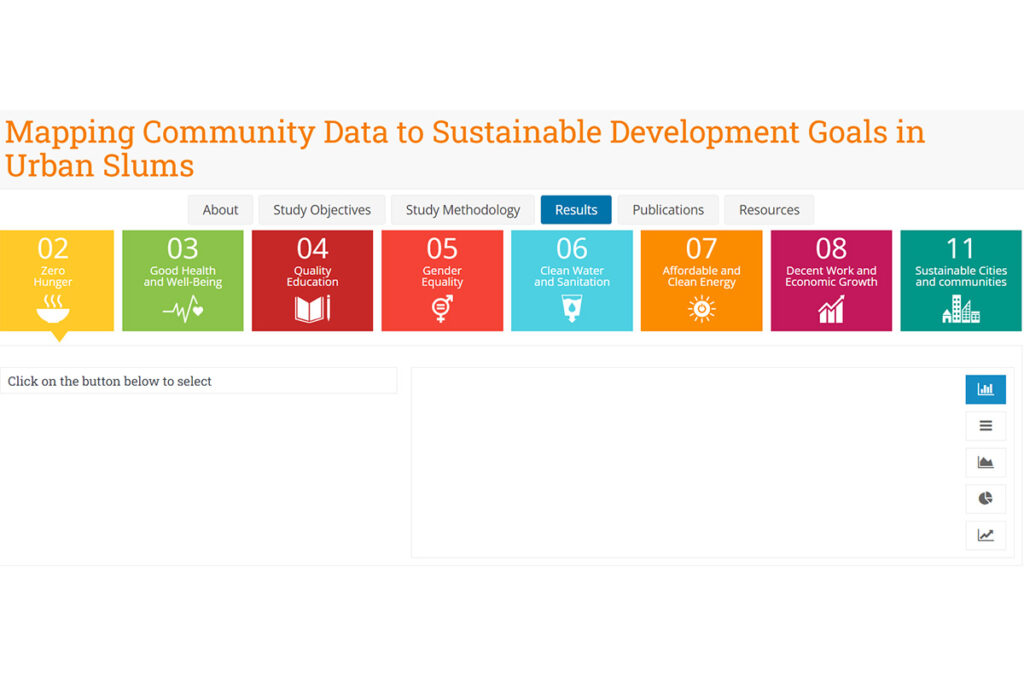
Urban Slum Dashboard is to Utilize community-level data in urban slums to drive decision making, Explore gender differences for various SDG indicators among urban slums and Determine association between various SDG.
- 1
- 2