
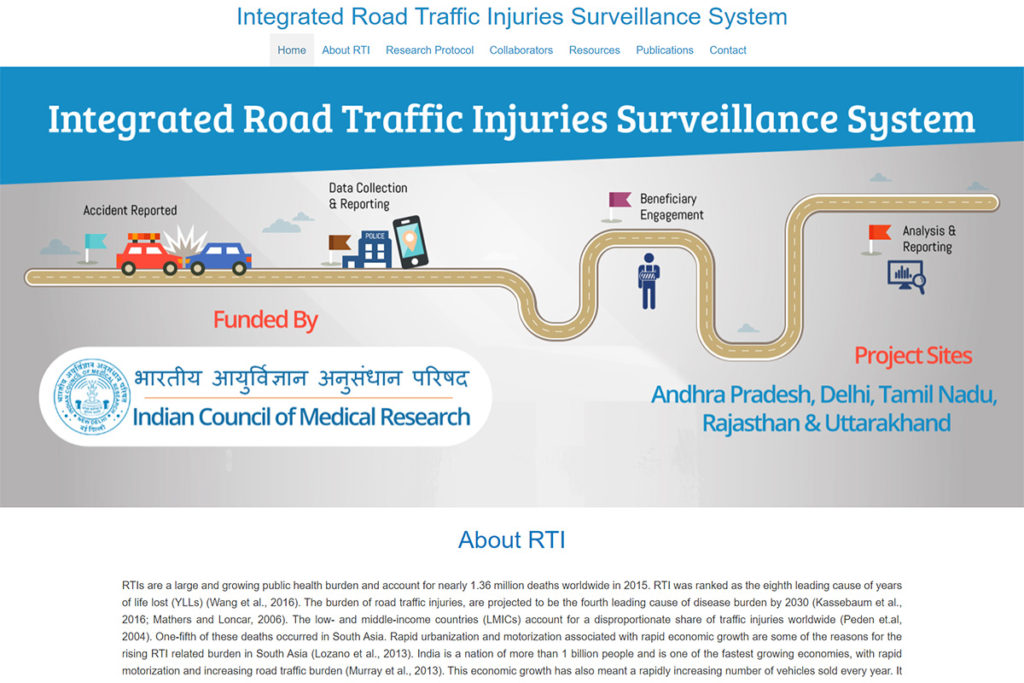
Integrated Road Traffic Injury Surveillance, India: RTIs are a large and growing public health burden and account for nearly 1.36 million deaths worldwide in 2015. RTI was ranked as the eighth leading cause of years of life lost (YLLs) (Wang et al., 2016). The burden of road traffic injuries, are projected to be the fourth leading cause of disease burden by 2030 (Kassebaum et al., 2016; Mathers and Loncar, 2006).
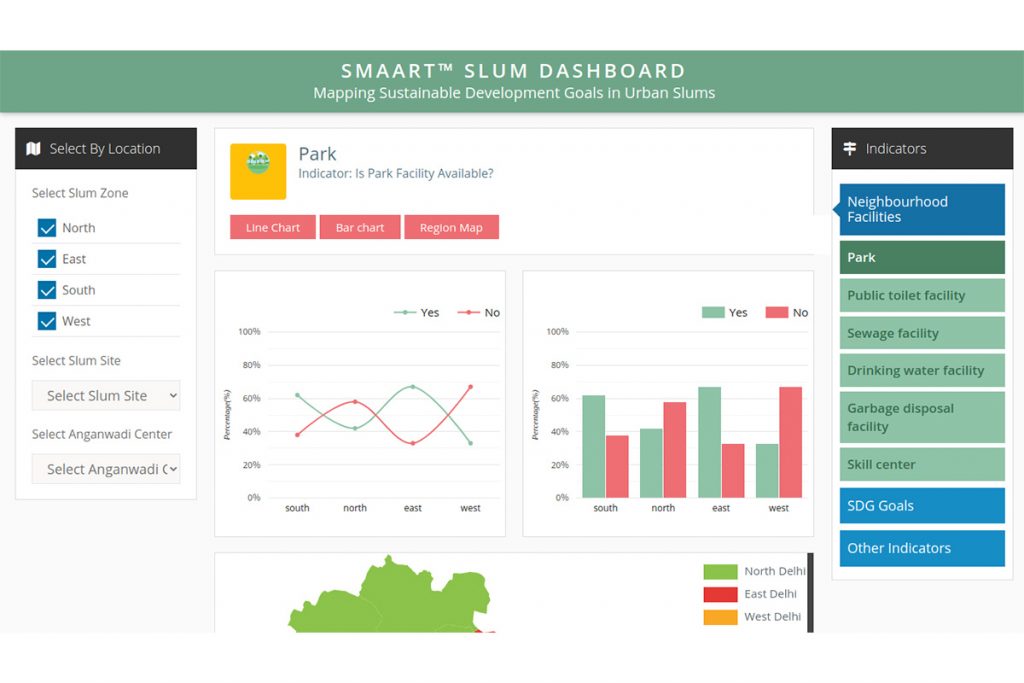
SMAART Slum Dashboard is a mapping of Neighbourhood Facilities (like public toilet, sewage, Driniking Water etc) and Sustainable Development Goals status in urban slums.
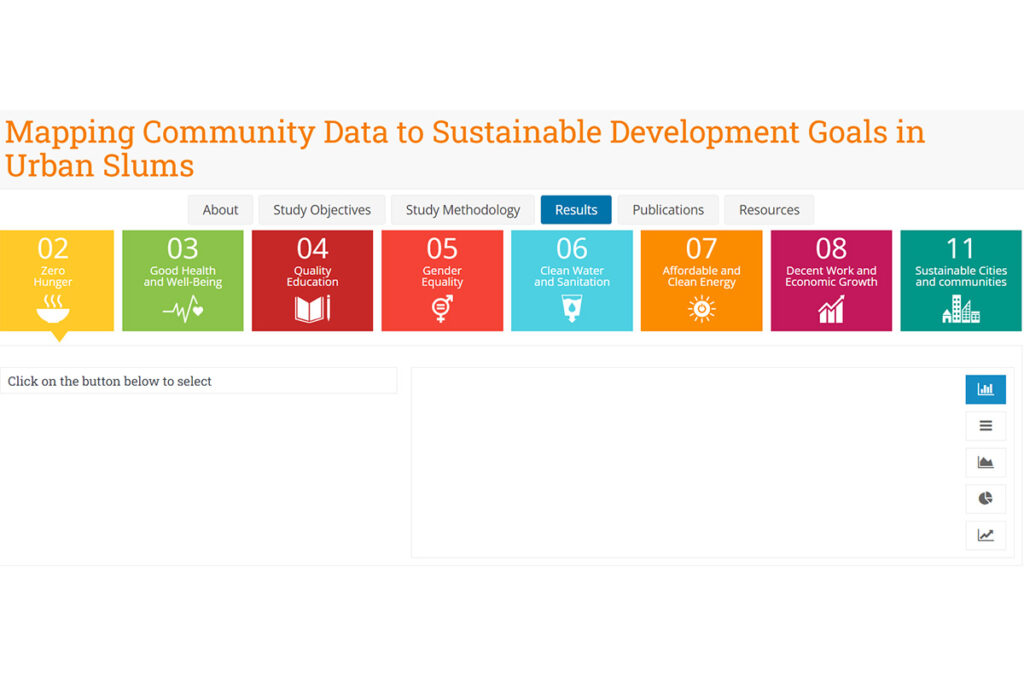
Urban Slum Dashboard is to Utilize community-level data in urban slums to drive decision making, Explore gender differences for various SDG indicators among urban slums and Determine association between various SDG.
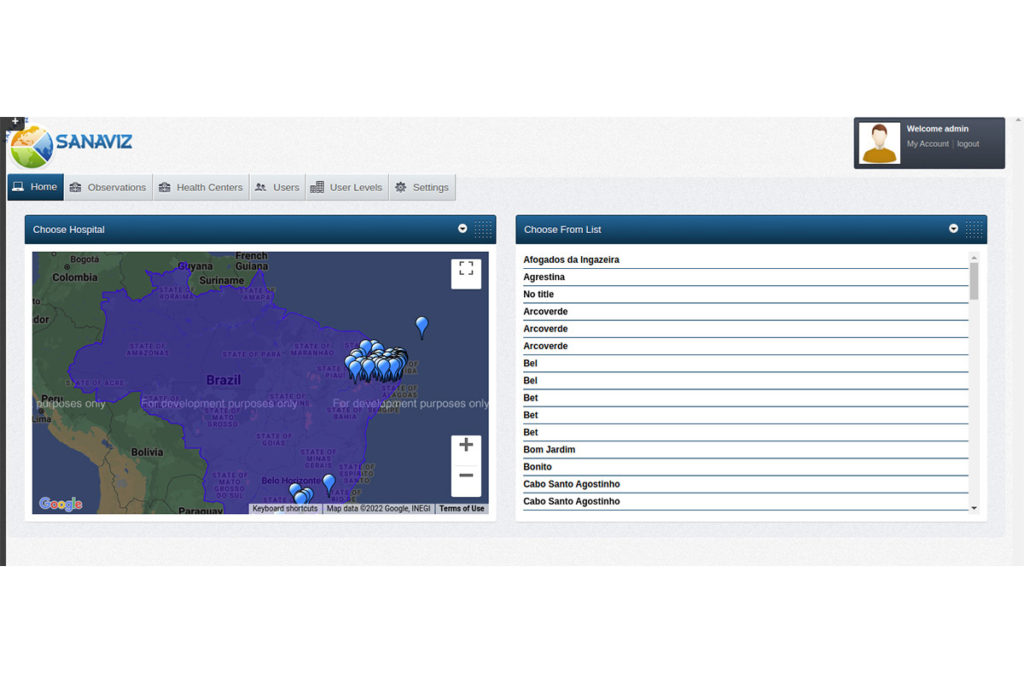
The SanaViz (meaning Health View) is designed and developed by Dr. Ashish Joshi M.D., M.P.H. PhD(c), and is an Internet based; bilingual, interactive, Web application designed using combined principles of Human Centered (HC) approach and Cognitive Fit Theory (CFT) and is aimed at facilitating visual exploration of public health data.
Oral Health Science Centre PGIMER, Chandigarh is ICMR Task force project on prevention and reduction of oral diseases among children at the Anganwadi centres.
Indian Council Medical Research, Government of India
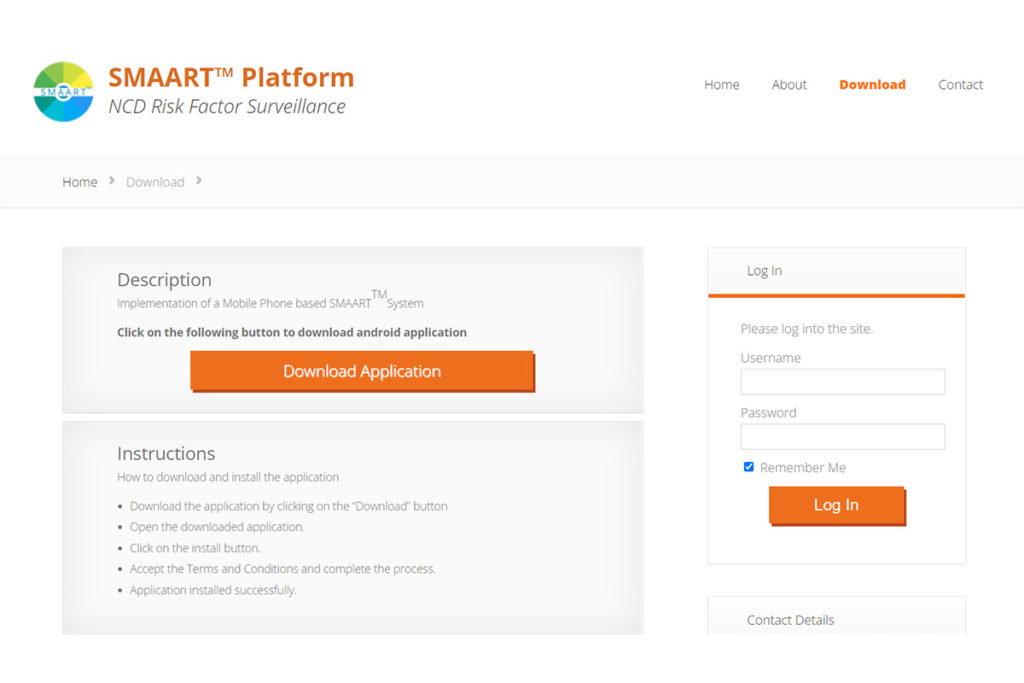
SMAART™ is a mobile phone based Surveillance system that can be used for conducting surveys.
(CO-VIN-CAPS) COVID-19 Vaccine Communication, Acceptance, and Practice survey is aims to Examine the factors that influence vaccine hesitancy and vaccine acceptance. It also explores the unintended consequences of COVID-19.
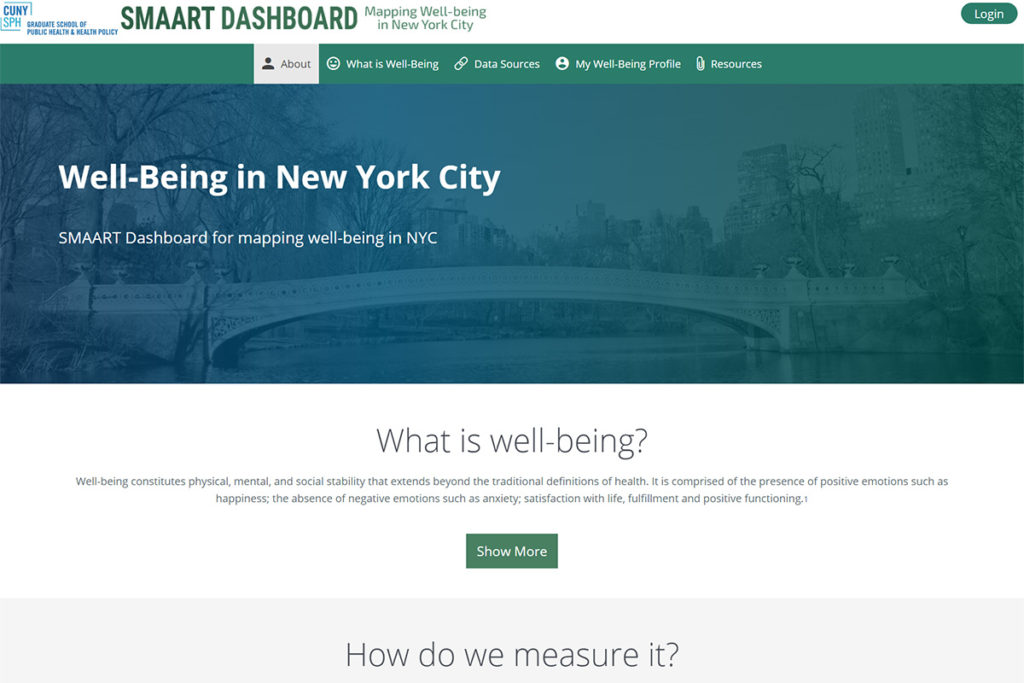
Well-being constitutes physical, mental, and social stability that extends beyond the traditional definitions of health. It is comprised of the presence of positive emotions such as happiness; the absence of negative emotions such as anxiety; satisfaction with life, fulfillment and positive functioning.
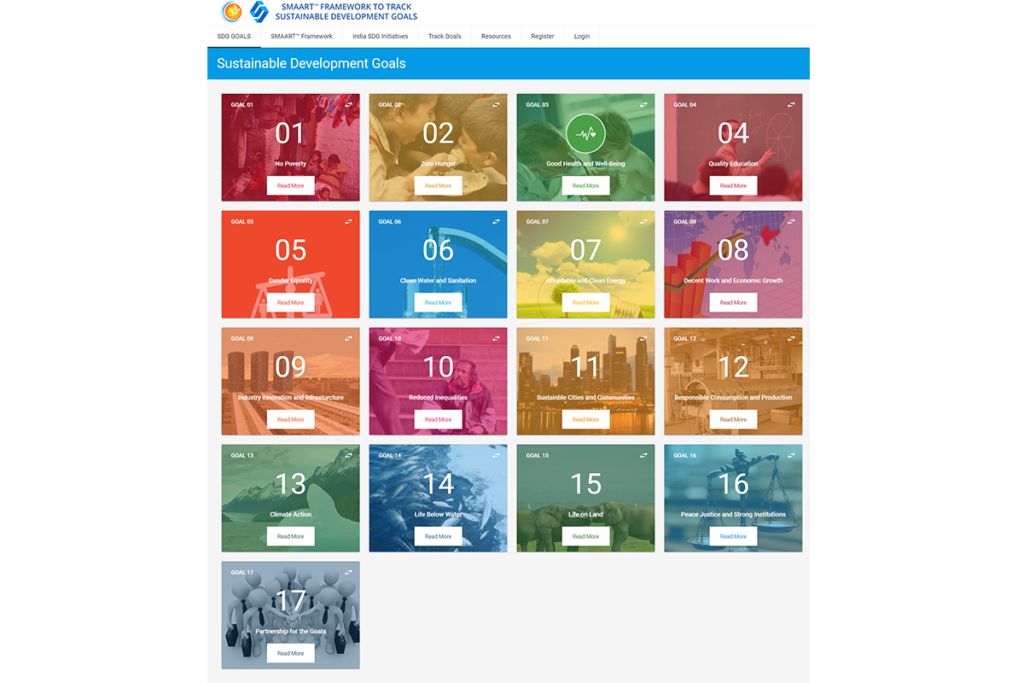
The Sustainable Development Goals (SDGs) initiated at the United Nations Conference on Sustainable Development, Rio+20, in 2012. The objective was to produce a set of universally applicable goals that balances the three dimensions of sustainable development: environmental, social, and economic.On 25 September 2015, UN Member States adopted the 2030 Agenda for Sustainable Development, which includes a set of 17 Sustainable Development Goals to end poverty, fight inequality and injustice, and tackle climate change by 2030.
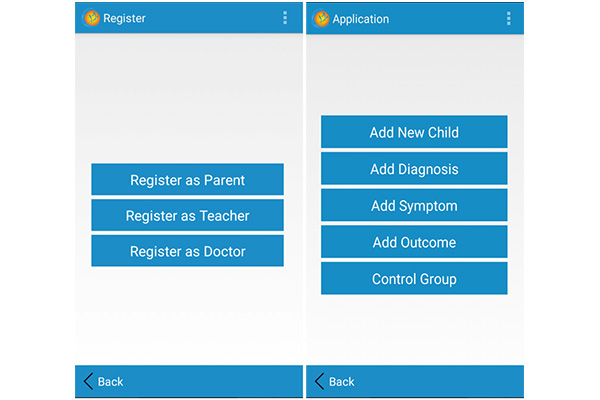
School-based Surveillance for Detection of Children with Acute Pharyngitis, Rheumatic Fever/rheumatic Heart Disease: India