
The spectrum of public health challenges adolescents face today is increasingly complex and interconnected. These challenges include:
Mental Health Disorders
Addressing emotional health and psychological well-being among adolescents.
Vaping
Building awareness about emerging health risks and protective behaviours.
Substance Misuse
Empowering youth to understand risks and make informed health decisions.
Cyberbullying
Promoting responsible digital behaviour and safer online environments.
NCD Risks
Responding to rising non-communicable disease risks through prevention.
Climate & Health
Understanding climate-related threats and their impact on community health.
Why is Public Health Needed More Than Ever Among Young Adults?
Public health and educational systems must provide adolescents with the skills and environments needed to make informed health decisions. Effective public health education during adolescence can play a pivotal role in strengthening non-cognitive competencies, improving health-related quality of life, and narrowing the gap between life aspirations and life satisfaction.
Need of Public Health Education
There is a need to integrate essential 21st-century skills such as critical thinking, collaboration, adaptability, and responsible decision-making with Public Health Education that not only educates but also empowers youth to become active contributors to community health. Interventions aimed at educating, influencing, and incentivizing youth to adopt protective health behaviors are crucial.
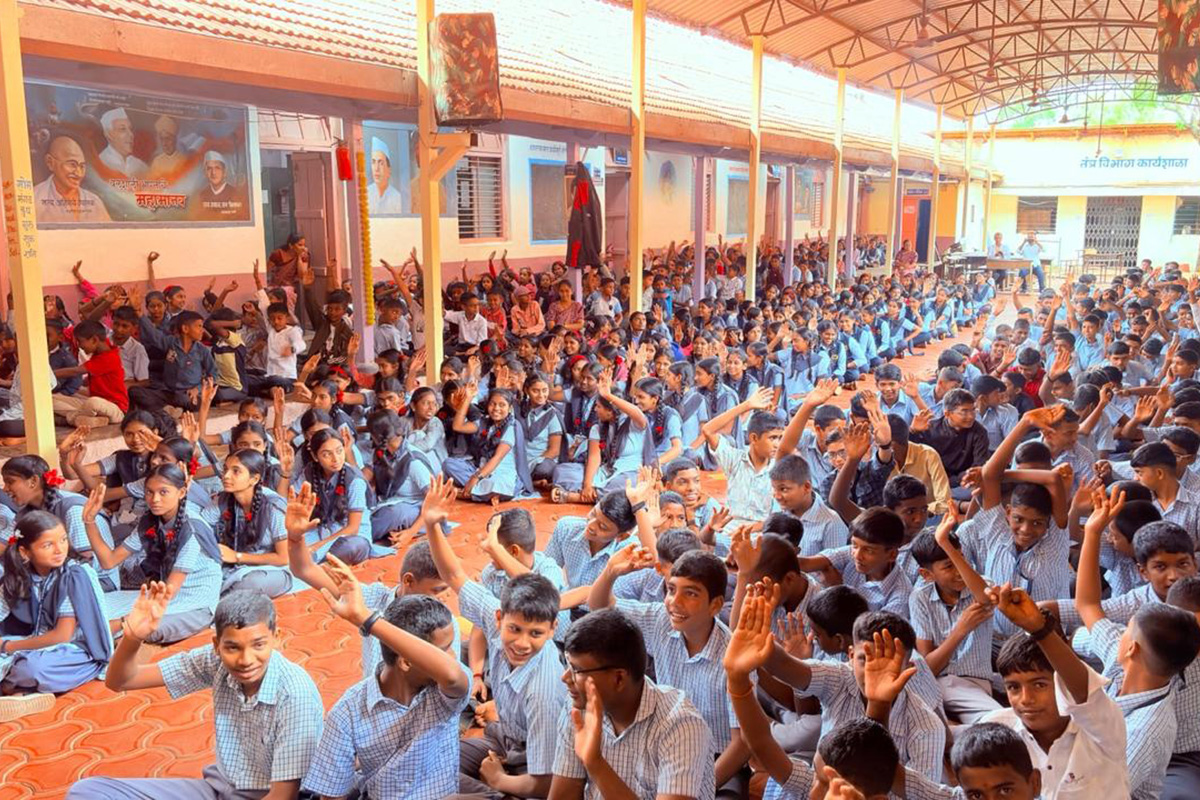
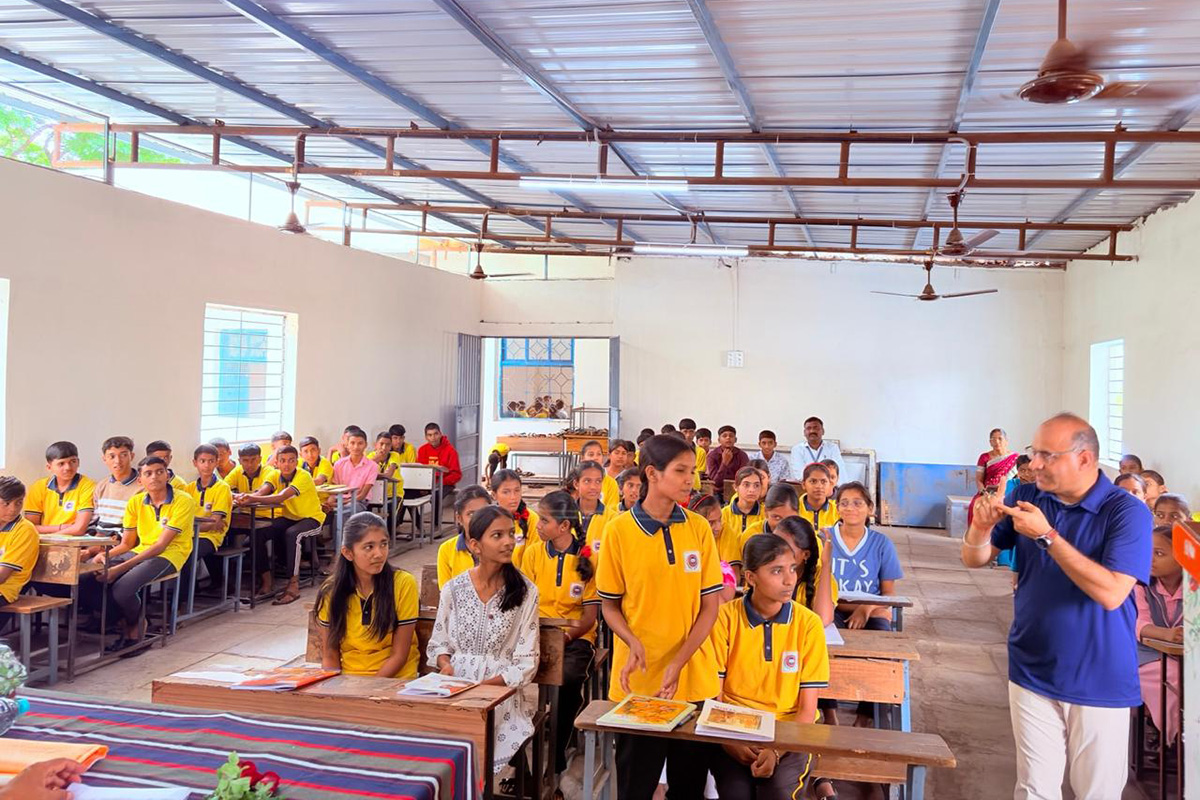
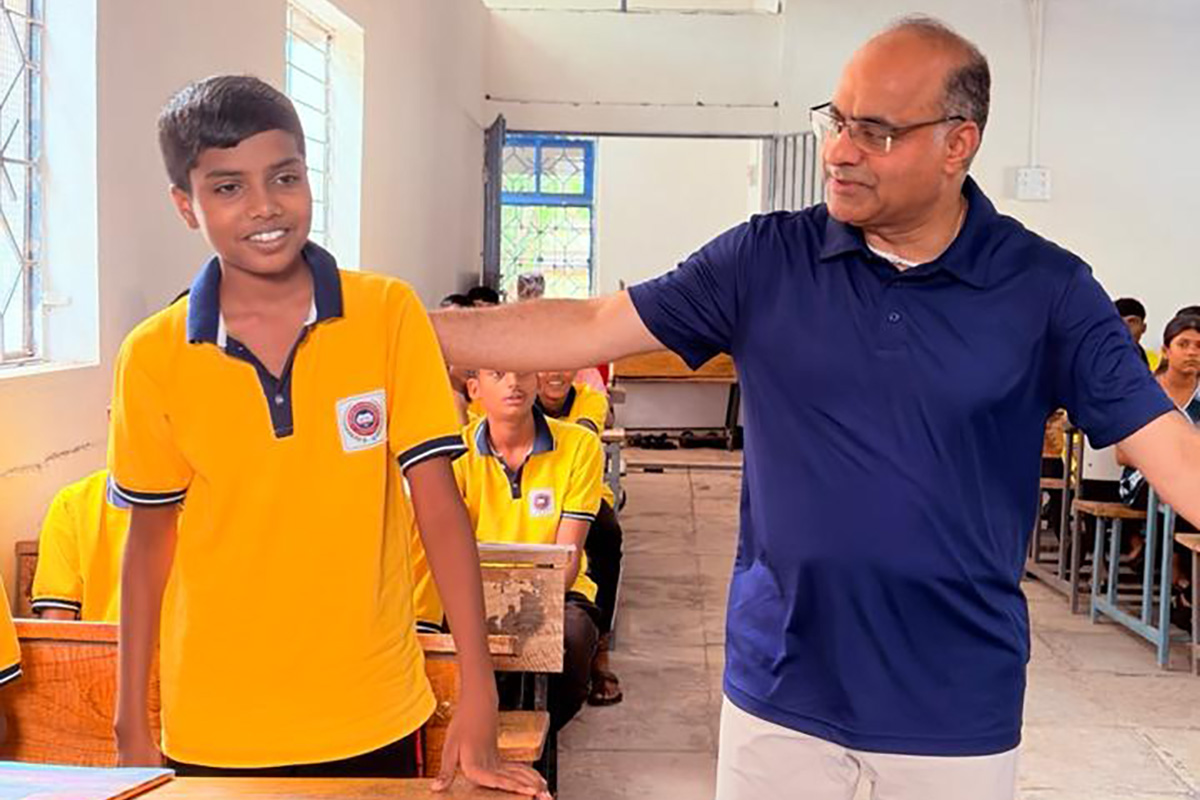
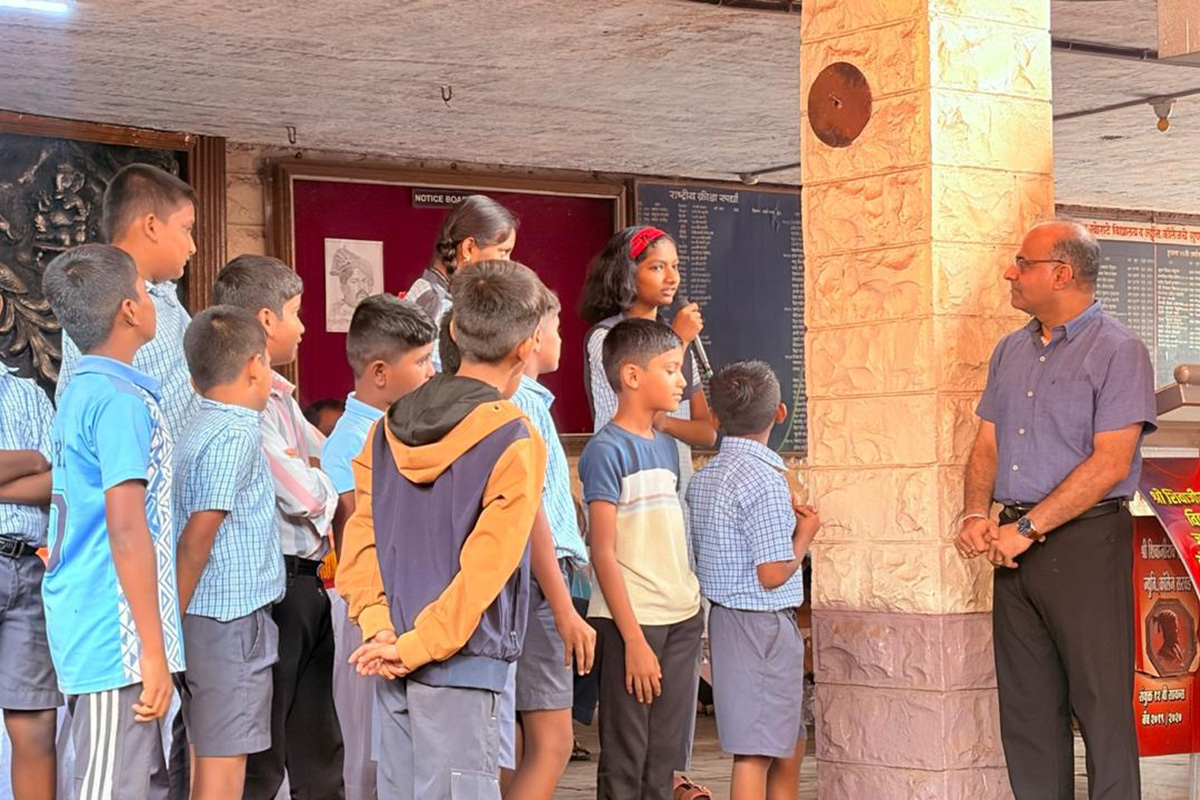
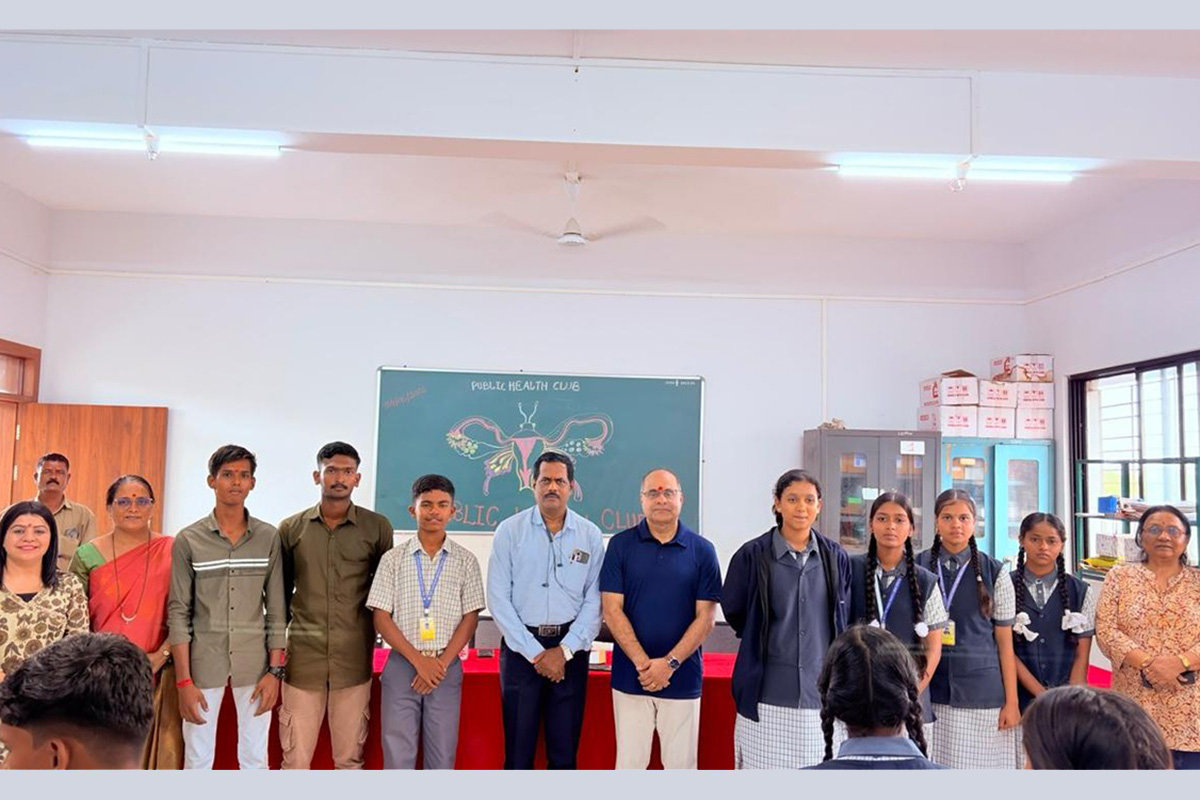
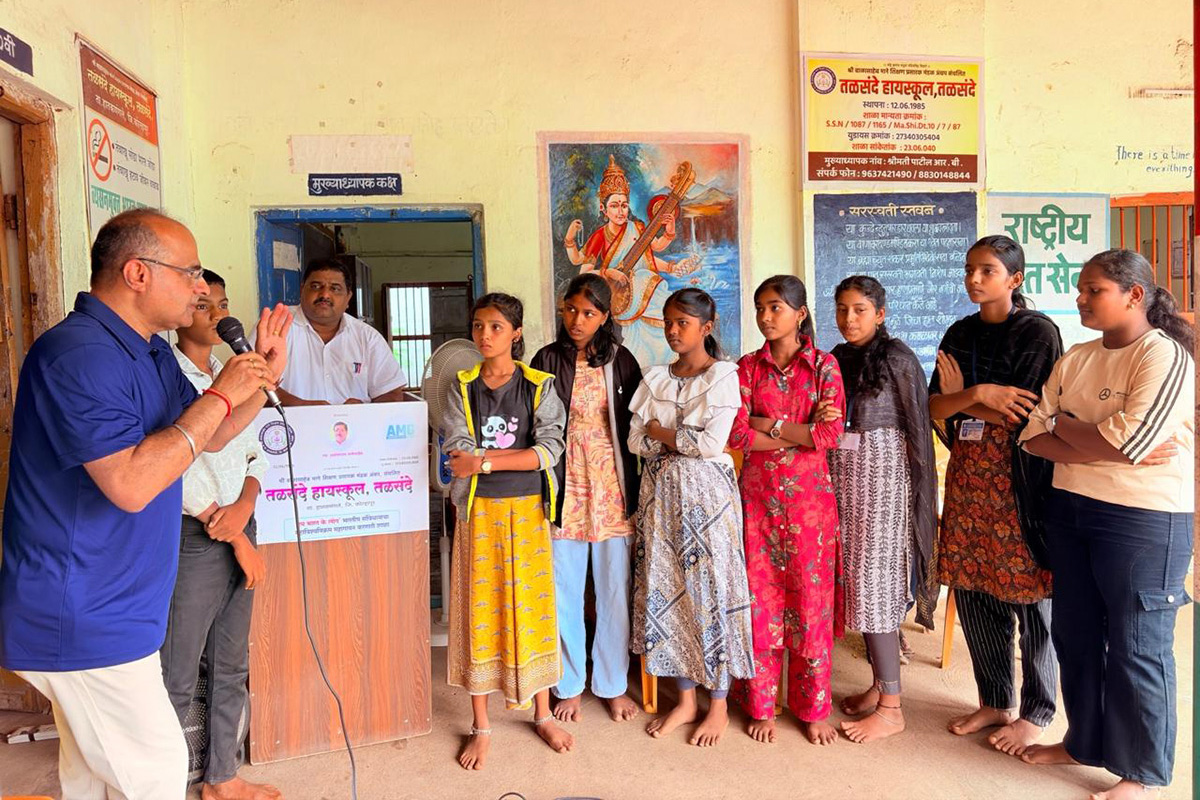
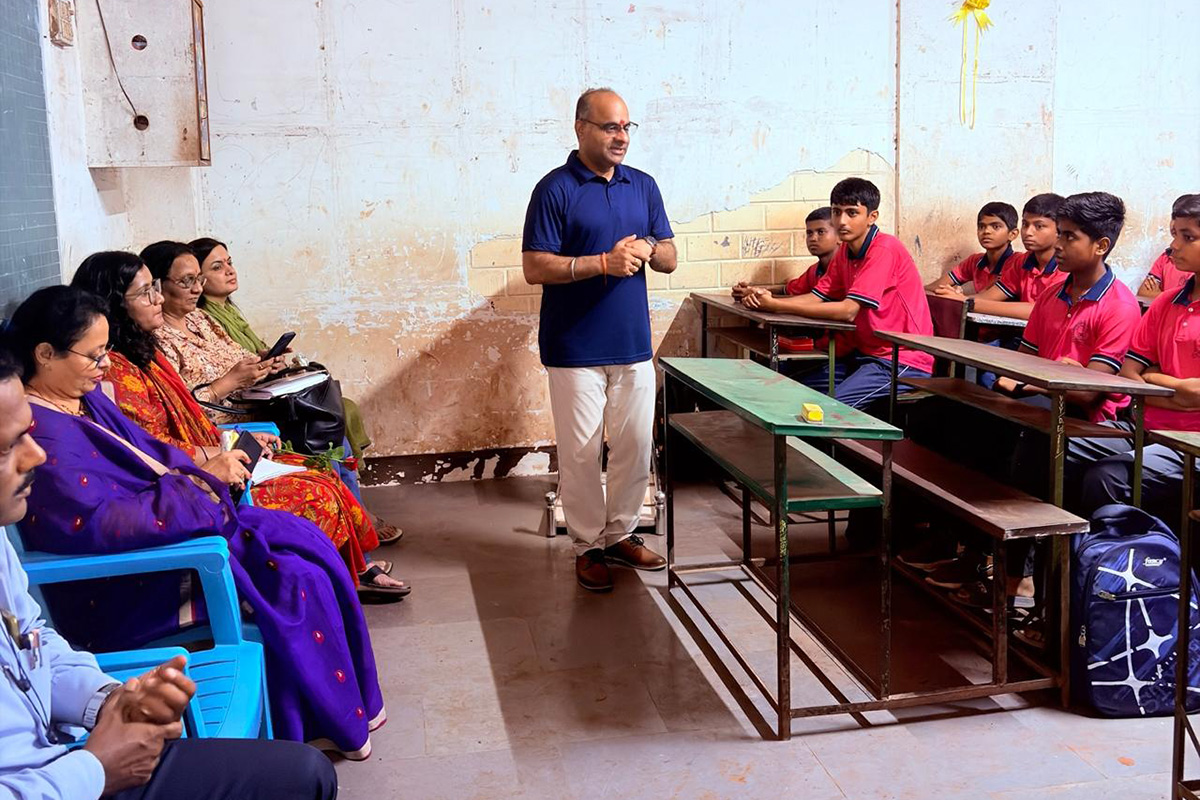
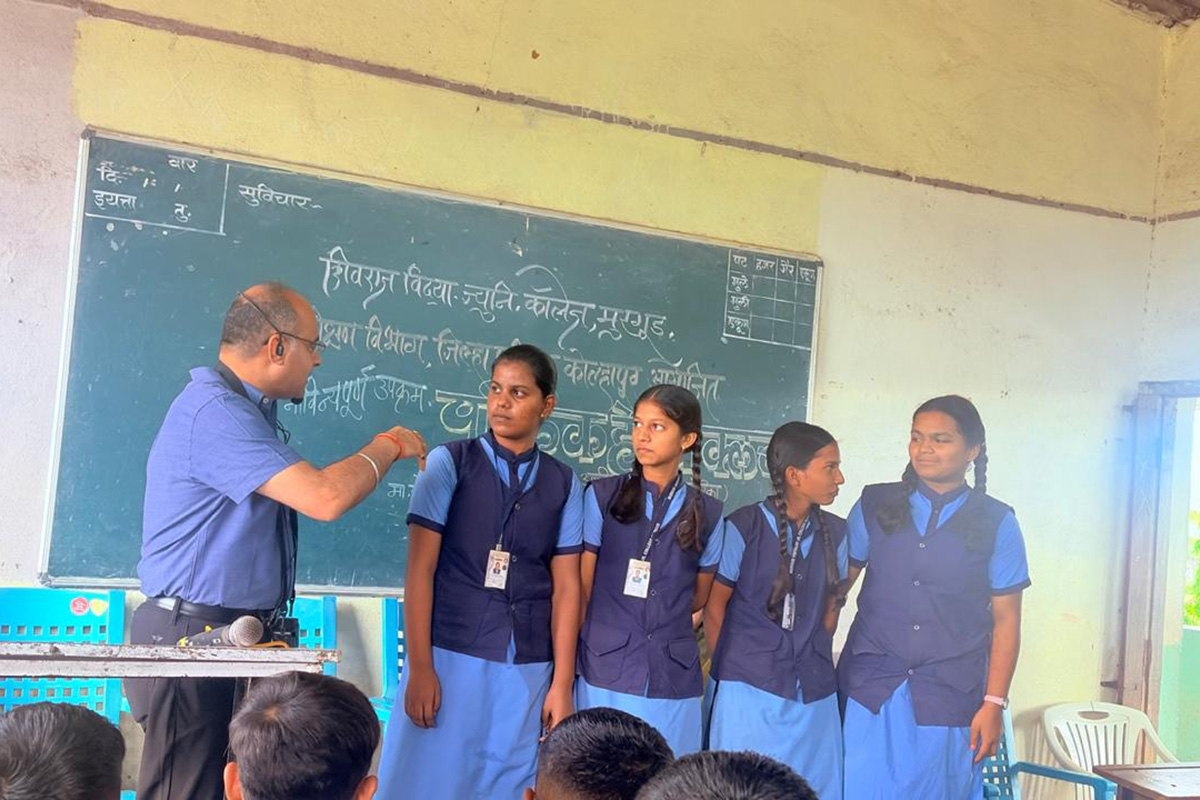
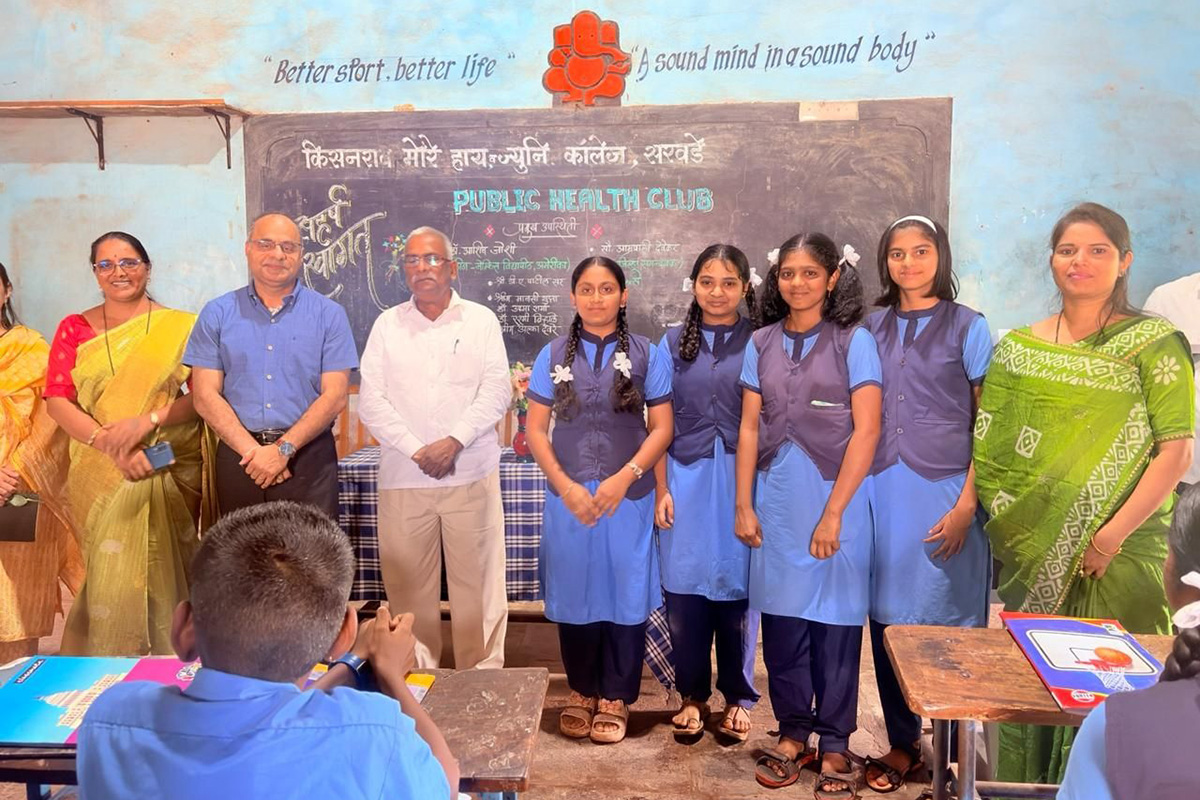
Objectives of Public Health Education in High Schools
How Does PHIA Work?
The model is implemented using an innovative, creative, data-driven, evidence-informed curriculum for bringing public health education into high schools through Public Health in Action.
The curriculum blends human-centric principles, design thinking approaches, research and innovation with the foundational skills in public health to address public health challenges impacting local and international communities. Encourage creative and innovative thinking that will help translate ideas into designing and developing public health solutions to support community health and well-being across diverse local and global settings.
Public Health in Action Curriculum
Students are facilitated by experts in the field to come up with solutions to address common public health challenges in local and global settings in an uncertain, unpredictable and complex world.
Innovative School-Based Initiative
Public Health in Action Program is designed with a primary focus on improving adolescent health literacy and awareness through applied, experiential learning, while secondarily fostering foundational public health competencies appropriate for high school students. The initiative aims to equip youth with the knowledge, confidence, and practical skills needed to recognise public health issues, make informed health decisions, and participate constructively in community health improvement efforts.
Equips high school students with the knowledge, skills, and confidence to understand these challenges and become active contributors to healthier communities.
The program is built to instill:
- Leadership and educational Advancement among youth to solve Public Health Challenges.
- Empower youth to transform ideas into real-world public health solutions.
Pillars of the PHIA Program
The program is grounded in the CARES framework.
Coping
Building skills to navigate challenges and manage difficult situations.
Adaptability
Preparing youth to respond to rapidly changing environments.
Resilience
Developing the capacity to recover, learn and move forward.
Empathy & Success
Encouraging compassionate leadership and meaningful success.
Our Approach
Opportunities to transform ideas into reality and bring them to implementation for solving pressing public health challenges.
With special emphasis on community-based participatory action research.
Youth will be empowered on how to: Acquire, Analyze, Evaluate, Interpret and Apply
Research
Entrepreneurship
Informatics
Management
Program Outcomes
Health Literacy
Improved public health and health literacy.
21st-Century Skills
Critical thinking, leadership, teamwork, collaboration and communication.
Resilience & Empathy
Building stronger emotional and social competencies.
Research Upskilling
Developing foundational research knowledge and practical skills.
Practical Solutions
Design, develop and implement practical health solutions for communities.
Implementation of PHIA in India
The National Education Policy (NEP) 2020 is India’s first education policy of the 21st century. It aims to transform the Indian education system by making education holistic, flexible, multidisciplinary, skill-oriented, inclusive, and rooted in Indian values and culture. The policy focuses on improving learning outcomes, reducing rote learning, promoting critical thinking and preparing students for the rapidly changing global world.
PHIA program is closely aligned with several key priorities of NEP 2020, making it an ideal model for integrating Public Health Education in high schools.
Experiential Learning
Hands-on activities, interactive projects and storytelling make learning engaging, enjoyable and practical.
Integration of Technology
Hybrid learning integrating technology for curriculum delivery, assignments, assessments and interactive learning.
Ethical & Value-Based Education
Coping, adaptability, resilience and empathy empower students to become socially responsible contributors.
Quality Research
Incorporates research as a key component and integrates research into learning, promoting analytical thinking, curiosity, and evidence-based problem-solving.
Skill Building
Equips students with 21st-century skills, helping them make informed career choices and preparing them for higher education and the evolving global workforce.
Supporting the Vision of NEP 2020
With NEP’s focus on promoting quality research, innovation, funding for research projects, and interdisciplinary research, the PHIA program incorporates research as a core component of its curriculum, thereby providing an opportunity for students to learn the basics of research at the high school level.
The PHIA Program equips students with 21st-century skills and thus addresses the key focus area laid out in NEP 2020, preparing students for higher education, helping them make informed career choices, and simultaneously preparing them for the evolving global workforce.
The PHIA program supports the implementation of NEP 2020 by integrating experiential learning, research, ethics, values, skills-based learning and technology-enabled education. It prepares students to become socially responsible citizens committed to bringing real-world solutions to real-world problems and contributing meaningfully to the health and well-being of themselves, their families and the community they live in.