
Public Health Club
Youth today face several public health challenges such as mental health disorders, obesity, non-communicable disease (NCD), social isolation, substance abuse and climate change to name a few. Evidence consistently shows that unhealthy dietary patterns, excessive screen time, and physical inactivity could be consequential in terms of poor physical and mental health. Adolescents and young adults are prone to risk-taking behavior, which may result in higher morbidity and mortality. Many of the factors that contribute to morbidity and mortality among adolescents are preventable. Policymakers and practitioners have long recognized that adolescence is a critical phase to enhance understanding of good health, safety, and general well-being. Interventions aimed at educating, influencing, and incentivizing youth to adopt protective health behaviors are crucial. Adolescence represents a critical developmental period characterized by profound physical, cognitive, and emotional changes that shape long-term health behaviors and life trajectories. During this stage, young people begin forming attitudes, habits, and decision-making patterns that often persist into adulthood. Effective health education during adolescence can therefore play a pivotal role in strengthening non-cognitive competencies, improving health-related quality of life, and narrowing the gap between life aspirations and life satisfaction. Both public and private sectors are placing greater emphasis on a future workforce equipped not only with academic knowledge but also with 21st-century skills such as critical thinking, collaboration, adaptability, and responsible decision-making.
The impact of global change on adolescent well-being: emerging challenges and evolving conditions.
Today’s Health Challenges Need Tomorrow’s Leaders
Public Health Education in Schools
Current public health and educational systems often fail to provide adolescents with the skills and environments needed to make informed health decisions. Schools, where young people spend most of their waking hours, remain one of the most influential settings for shaping health knowledge, attitudes, and behaviors. Empirical research underscores that school-based health programs can improve academic achievement, enhance mental and social well-being, and cultivate essential 21st-century competencies such as communication, critical thinking, collaboration, and problem-solving. Integrating public health perspectives into secondary education can help prepare students to navigate health challenges while simultaneously developing the competencies needed for lifelong well-being and productive participation in society.
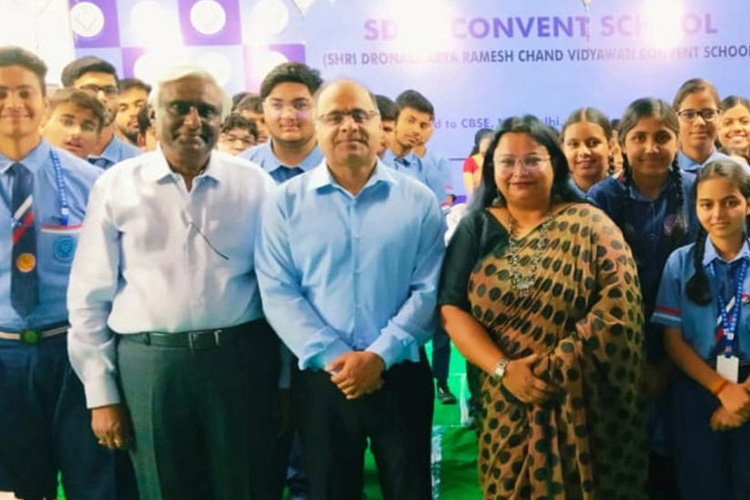
SMAART Public Health Clubs in Schools
Existing programs typically focus on narrow health topics or short-term activities, lacking a comprehensive, theory-driven framework that equips adolescents to identify local problems and develop feasible solutions. This gap highlights the urgency of designing models that not only educate but also empower youth to become active contributors to community health.
SMAART Public Health Clubs in Schools aims to equip students to address the public health challenges. These clubs provide students with opportunities to learn, lead, research, advocate, and create measurable impact within their schools and communities.
Students learn public health through action, collaboration, and innovation
Health Awareness Campaigns
Plan and deliver impactful health education initiatives.
Research Projects
Collect, analyze and present health-related data.
Mental Health Advocacy
Promote wellbeing and resilience among peers.
Environmental Health Initiatives
Address sustainability and climate-related health challenges.
Leadership Development
Build confidence, teamwork and communication skills.
Innovation Challenges
Create solutions for real-world public health problems.
Our Flagship Public Health Clubs
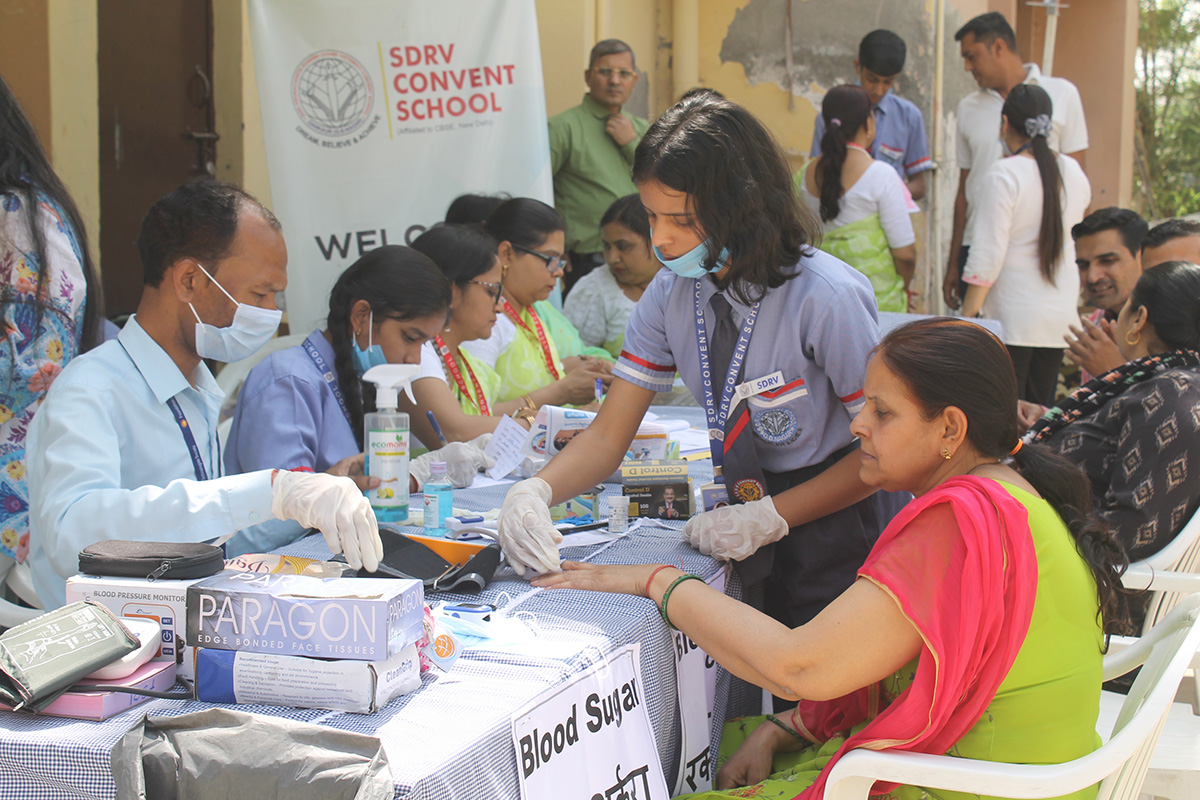
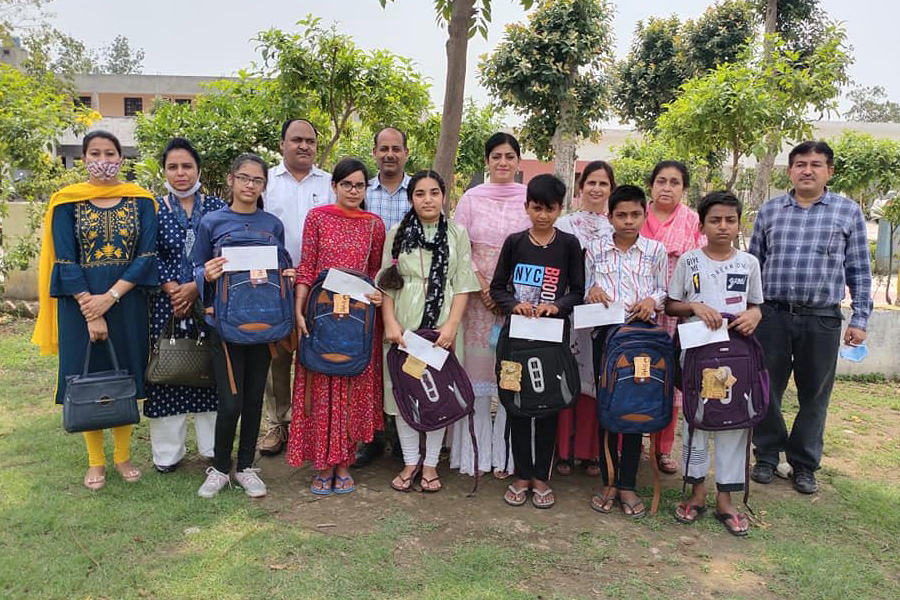

Our Growing Impact
Our Reach Across India
Shri Dronacharya Rameshchand Vidyawati Convent School
Pioneering SMAART Public Health Club in partnership with University of Memphis, USA.

Government Smart Senior Secondary School
Supported by PSCST & Department of Science & Technology, Government of India.